
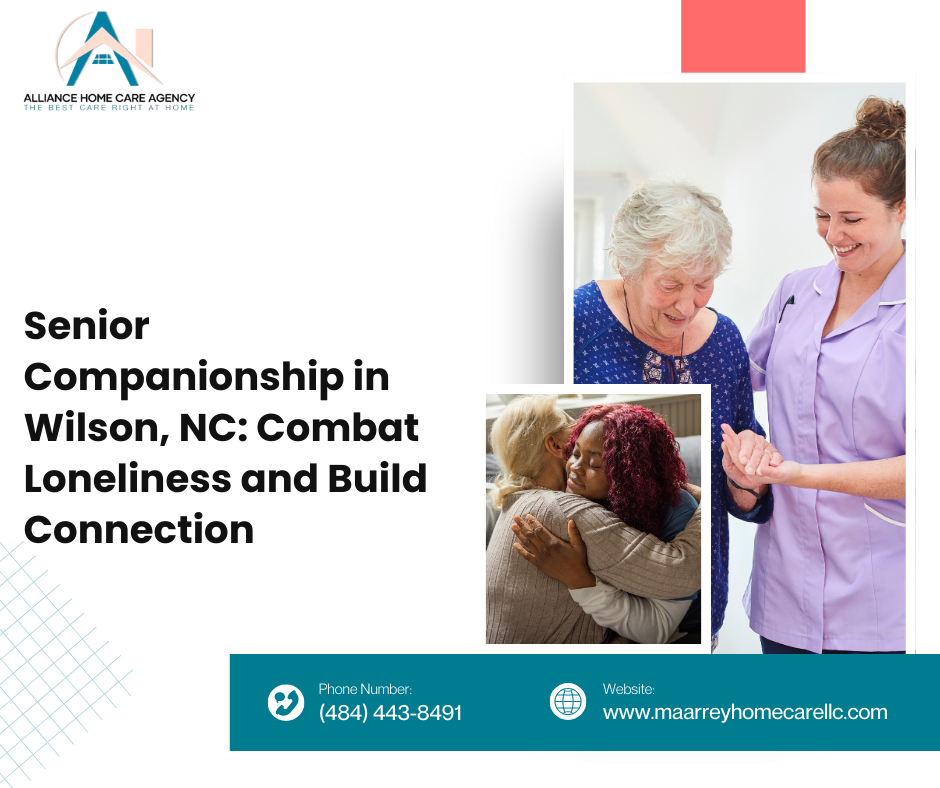
Loneliness can develop quietly as routines change, mobility declines, or social circles narrow. Senior companionship in Wilson, NC provides a consistent human connection that supports emotional well-being, daily structure, and a sense of belonging. This guide explains how companionship services work, why they matter for seniors in Wilson County, and how they fit into broader in-home care.
Daily Human Connection That Strengthens Life at Home
Social interaction is a core part of emotional health for older adults. Senior companionship focuses on building meaningful connections within the comfort of home, helping seniors feel engaged and supported throughout the day. This foundation sets the stage for understanding how companionship supports both emotional balance and daily routines.
- Consistent social interaction: Provides regular conversation and presence that helps reduce feelings of isolation and withdrawal
- Familiar companionship: Allows seniors to build trust and comfort with the same caregiver over time
- Emotional reassurance: Creates stability through predictable visits and shared moments
These benefits explain why companionship services are especially valuable for seniors living in Wilson County.
Why Senior Companionship Matters for Seniors in Wilson County
Many seniors in Wilson County spend long periods alone during the day. Senior companionship helps bridge these gaps by offering reliable engagement without disrupting familiar routines.
Connection plays a direct role in emotional well-being and motivation.
- Reduced loneliness: Regular interaction helps seniors feel connected and supported
- Improved mood: Conversation and shared activities encourage positive mental engagement
- Daily structure: Scheduled visits add rhythm and predictability to each day
As these needs grow, it becomes essential to recognize early signs of isolation.
Signs a Senior May Benefit From Companionship Support
Loneliness often develops gradually and may not be immediately visible. Changes in behavior, routine, or emotional state can signal a growing need for social support. Recognizing these signs allows families to respond early.
- Decreased social engagement: Fewer phone calls, visits, or interactions with others
- Loss of interest: Reduced participation in hobbies or daily activities once enjoyed
- Routine disruption: Irregular meals, sleep patterns, or daily habits
- Emotional changes: Increased sadness, anxiety, or irritability
These indicators help clarify what senior companionship services are designed to provide.
What Senior Companionship Services Typically Include
Senior companionship services focus on presence, interaction, and shared activities rather than medical care. The goal is to support emotional connection and daily engagement. Services are shaped around personal interests and comfort levels.
- Conversation and interaction: Meaningful discussions that help seniors stay mentally and emotionally engaged
- Shared activities: Games, reading, walking, or hobbies based on personal interests
- Daily routine encouragement: Gentle support with schedules, meals, and light organization
- Accompaniment: Support during errands or local outings when appropriate
These services are delivered as part of a coordinated in-home care approach.
How Senior Companionship Integrates With In-Home Care
Companionship services are part of a broader care structure designed to support overall well-being. This integration allows social support to align naturally with daily living needs. Care plans evolve alongside each senior’s lifestyle.
- Initial assessment: Identifies social needs, interests, and preferred routines
- Personalized engagement plan: Aligns activities with personality and comfort level
- Consistent caregiver visits: Builds familiarity and trust over time
- Ongoing adjustments: Adapts services as interests or needs change
- Daily observation: Helps identify shifts in mood or engagement
This structure ensures companionship complements other forms of in-home support.
Senior Companionship Compared to Family Visits
Family involvement remains essential, but companionship services fill gaps when loved ones are limited by distance or schedules. Both forms of support work best together.
- Senior companionship: Provides consistent, scheduled social engagement
- Family visits: Often depend on availability and location
- Routine integration: Companionship fits into daily schedules without disruption
- Focused engagement: Caregivers are present specifically for connection and support
Many families use companionship services to extend their support network.
Cost Factors for Senior Companionship in Wilson, NC
The cost of companionship services depends on the care structure rather than specific activities. Understanding pricing factors helps families plan effectively. Costs are shaped by flexibility and duration.
- Visit frequency: Hourly or recurring schedules influence overall cost
- Service combinations: Companionship paired with other in-home services may affect pricing
- Care duration: Short-term or long-term support plans differ
Senior companionship is often included with Hourly Home Care or broader in-home care programs.
Preparing the Home for Companionship Care
A comfortable and familiar environment supports better engagement and interaction. Minor adjustments can help companionship visits feel natural and welcoming. Preparation enhances the experience for both seniors and caregivers.
- Comfortable shared spaces: Encourage conversation and shared activities
- Accessible personal items: Support hobbies and daily interests
- Clear routines: Help caregivers align visits with established habits
Preparation strengthens the overall quality of companionship support.
Common Misunderstandings About Senior Companionship
Clarifying expectations helps families understand the proper role of companionship services and avoid confusion, improving outcomes.
- Not medical care: Companionship focuses on emotional and social support rather than treatment
- Not replacing family: Enhances existing relationships rather than replacing loved ones.
- Not one-size-fits-all: Services adapt to individual interests and preferences
- Not passive care: Encourages active engagement and interaction
A clear understanding leads to more effective long-term support.
Real-Life Senior Companionship Situations in Wilson County
Everyday situations highlight how companionship services support seniors locally and fit into real households. These examples reflect everyday needs.
- Living alone: Regular visits provide conversation and emotional connection
- Limited mobility: Companions support interaction without requiring outings
- Family living at a distance: Consistent presence offers reassurance
These scenarios reinforce the value of ongoing companionship.
Best Practices for Maximizing Senior Companionship Benefits
Using companionship services thoughtfully increases their impact over time. Consistency and personalization play a key role.
- Regular scheduling: Builds routine and trust
- Interest-based activities: Keep engagement meaningful and enjoyable
- Service coordination: Pairing with Light Housekeeping supports daily structure
- Ongoing feedback: Helps refine care as needs evolve
These practices help ensure companionship remains aligned with long-term well-being.
Senior Companionship Services Available in Wilson, NC
Alliance Home Care Agency provides senior companionship services throughout Wilson and the surrounding areas of Wilson County. Services are designed to support emotional well-being, daily connection, and independent living at home.
Service coverage details are available on the service areas page. Office location reference is available through Google Maps.
Frequently Asked Questions
Families often want clarity before choosing companionship services. The following questions address common concerns for seniors and caregivers in Wilson, NC.
What is senior companionship care?
Senior companionship care focuses on social interaction, conversation, and shared activities rather than medical support. These services help reduce loneliness and support emotional well-being. More details are available on the senior companionship services page.
How often can companionship services be provided?
Services may be scheduled daily, weekly, or as part of flexible hourly care. Many families prefer hourly home care because it allows schedules to adjust as needs change.
Is senior companionship included in home care programs?
Yes, senior companionship is often part of broader in-home care programs that support daily living and emotional engagement. This integrated approach is explained within the short- and long-term care at home services.
Can companionship services be personalized?
Yes, services are tailored to interests, routines, and social preferences. Care plans are reviewed and updated to maintain meaningful engagement over time.
Get Personalized Senior Companionship Support From Alliance Home Care Agency
Loneliness does not have to be part of aging. With appropriate companionship support, seniors can maintain connections, routines, and emotional balance at home.
Alliance Home Care Agency supports seniors and families across Wilson and Wilson County with in-home senior companionship services designed around real schedules and personal interests. Whether support is needed for a few hours a week or on an ongoing basis, care plans are built to fit each household.
📍 119 Douglas Street S, Wilson, NC 27893
📞 Call (252) 265-3343 to discuss senior companionship options
🌐 Learn more or request services through the senior companionship services page
Choosing companionship support is about building connection, not replacing independence. It is about creating consistent moments that help seniors feel supported, engaged, and confident at home.